
We are taught that art is an output, a finished object to be hung and admired. But what I've come to understand through twenty years of practice is that the canvas is actually a mirror—or better yet, a gateway. The creative process, for me, is a profound spiritual technology designed to bridge the gap between the mundane and the divine.
My work is rooted in the lineage of my teacher, Harish Johari, a renowned Bhakti artist and sculptor who famously crafted a Shiva fountain where water flowed from the deity's head. Under Harish's twenty-year guidance, I learned an approach that merges precise geometry, vocal mantras, and literal water baths. This discipline transformed what I thought was simply "making art" into something far deeper—a vibrant tool for meditation and self-discovery.
The Mathematical Divine: Why Yantras Are More Than Just Shapes
Many people are familiar with the fluid beauty of a general mandala, but a Yantra is something quite different. It is a specific, technical instrument of devotion. These geometric forms represent specific deities or planets and must be constructed using exact formulas, compasses, and rulers. In the Bhakti tradition, the artist becomes a vessel. We follow these sacred calculations not because we are constrained by them, but because we understand that they ensure the work can properly hold and radiate divine energy.
This reliance on strict mathematical constraints might seem restrictive to someone on the outside, yet I have found it to be the ultimate gateway to spiritual freedom. By surrendering the ego's need for "originality" to a predetermined formula, the mind settles into a deep, meditative rhythm. The structure of the Yantra becomes an internal alignment tool, allowing me—and eventually the viewer—to move beyond thought and into pure presence.
That surrender is everything.
The Art of Surrender (Or, Why You Should Soak Your Painting in a Sink)
One of the most transformative aspects of my work is the wash painting technique I learned from Harish—what I call the "water bath" process. It requires Arches cold-pressed 140 lb watercolor paper, that specific weight and quality because it must be sturdy enough to be submerged in a sink or bathtub multiple times without disintegrating.
Here's how it works: After the initial watercolor layer is applied, I bathe the painting to wash away loose pigment and "fix" the color into the fibers. And then I do it again. And again. With each new layer—alternating between transparent watercolor and opaque Gouache—I am building something almost three-dimensional, nearly translucent. The result is far more complex and alive than anything I could achieve through control alone.
For me, it's a lot about surrender because you just don't know what's going to happen. You can plan as much as you want, but it still surprises you. That's where the magic lives.
This physical "washing" mirrors the psychological journey I invite my students into as well. Each layer represents the many facets of the self being refined and revealed. When you immerse your carefully planned work into water, something lets go inside you. The rigid edges soften. You begin to trust the process in a way that intellectual understanding can never teach.
The Science of the Bindu: Training the Eye to See Within
The final piece is not merely an aesthetic object. It is a functional battery of energy used for visual meditation. The central practice involves focusing the gaze on the Bindu—the center point of the Yantra. This technique is designed to transition the practitioner from external sight to an internal, spiritual vision, and it happens in distinct steps:
Fixed Gaze: The practitioner stares at the Bindu without blinking until the eyes begin to water. This forces a total concentration of the senses. All the noise of the mind begins to fall away.
The Afterimage: Once the eyes are closed, the practitioner observes the afterimage of the geometry that appears in the mind's eye. This is where the real conversation begins—between your outer and inner vision.
Internal Shift: As the internal colors often invert, the practitioner experiences a physiological response. "Hot" colors may produce a cooling effect on the nervous system. "Cool" colors may generate warmth. The body begins to communicate with the spirit through sensation.
This is why precision matters. Every degree of the angle, every shade of pigment, every brushstroke—they all become a language that the body understands.
Numbers as Destiny: The Magic of the Vedic Square
The structural integrity of my sacred art is informed by the Vedic Square, a mathematical grid connected to planetary energies and personal astrology. This is where the work becomes deeply personal and specific.
Colors and patterns are not chosen at random. They are dictated by a person's birth number. This intersection of numerology and aesthetics ensures that the artwork becomes a personalized map of the individual's unique energetic signature. By utilizing the Vedic Square, I tailor each Yantra to resonate with the specific frequency of the person who will work with it.
This creates a targeted tool for balancing personal energy and aligning with planetary influences. Beyond mere decoration, the resulting work becomes a visual representation of the individual's destiny and spiritual path. It is as unique to them as their fingerprint, yet rooted in the eternal mathematics of the cosmos.
Energy Art: Infusing the Work with Mantra
What truly elevates this practice into what I call "Energy Art" is the intentional infusion of sound. Throughout the hours of painting, I chant specific mantras associated with the deity or planet being depicted. Sometimes vocally. Sometimes internally, as a vibration within the chest.
This constant repetition "charges" the pigments and paper, turning the physical artwork into a vibrational battery. The intention is that the viewer does not simply see the image—they feel the energetic vibration of the mantra. Because I maintain a high meditative state and sound frequency during creation, the final piece radiates power long after the paint has dried. It becomes a living presence in a room, capable of shifting the environment's energy.
This is not mysticism. This is physics. It is the recognition that everything vibrates, everything has frequency, and intention is a measurable force.
The Artist is Already Inside You
Ultimately, what I try to teach through this ancient tradition is that sacred art is a practice rather than a performance for an audience. It is a path accessible to everyone, regardless of their perceived talent or background.
And I will be honest—when people first begin this work, old messages surface. "I'm not an artist." "I can't do this right." "Who do I think I am?" These frustrations will visit you. That's not a failure. That's exactly where the healing occurs. You are not learning to become an artist; you are remembering the one that is already within you.
My granddaughter understood this perfectly when someone asked her, "Do you want to be an artist when you grow up?" She said simply, "I am an artist."
We spend so much of our lives trying to become something we already are. Whether through the mathematical precision of a Yantra or the messy surrender of a water bath, this practice invites you to stop that striving. Start recognizing the creative spark that never left you—it was only waiting for permission to emerge.
How might your own daily life change if you allowed yourself to "soak" your rigid plans in a little bit of surrender?
Continue Reading
More from the Journal
The Spiritual Container
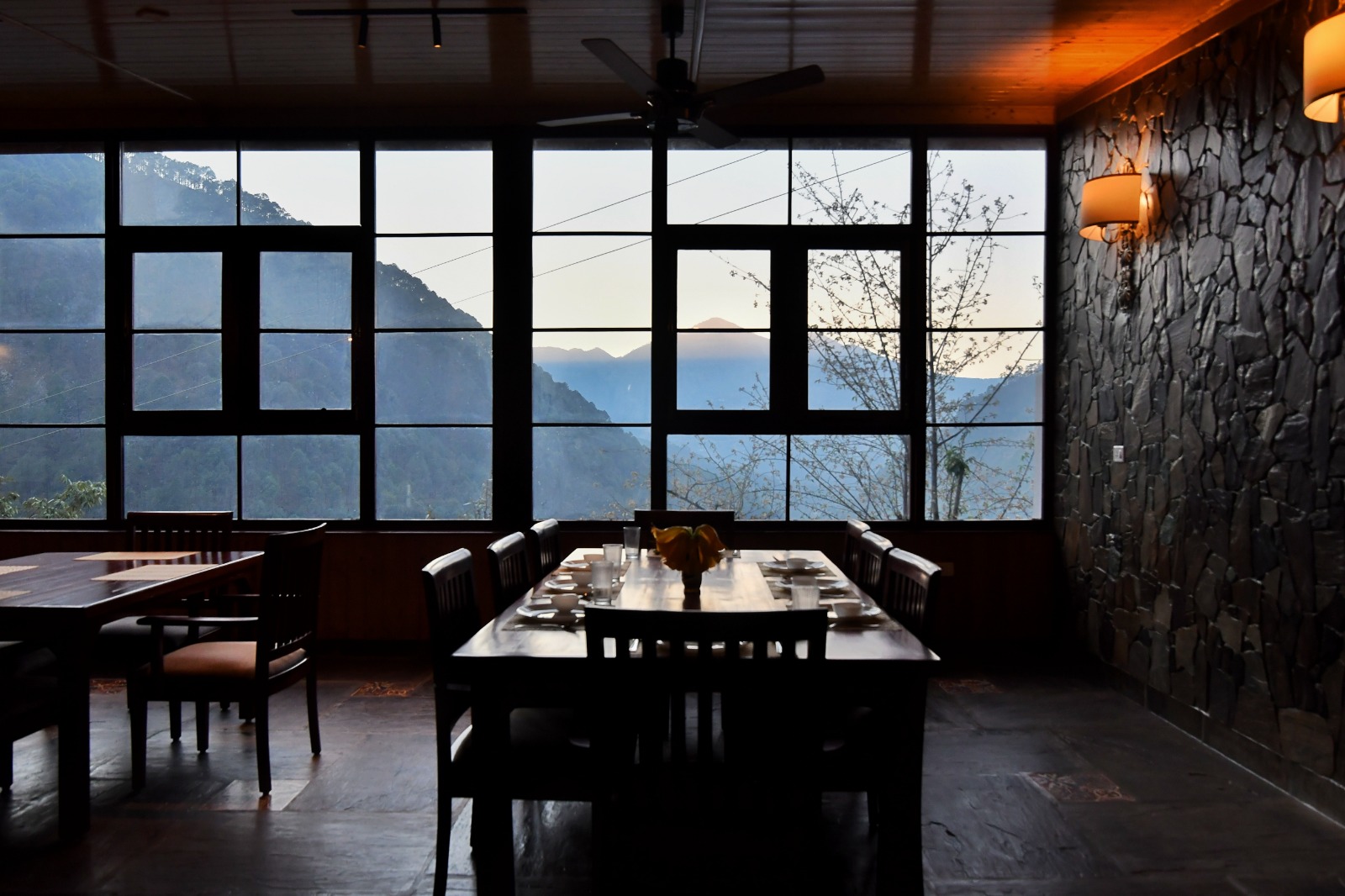
At mysticartretreats, we understand that the essence of a powerful spiritual retreat lies in the creation of a spiritual container — a safe, intentional, and sacred space that holds both the collective energy and the individual journeys of all participants.
Why Sanskrit Chanting on Retreats and Yatras?
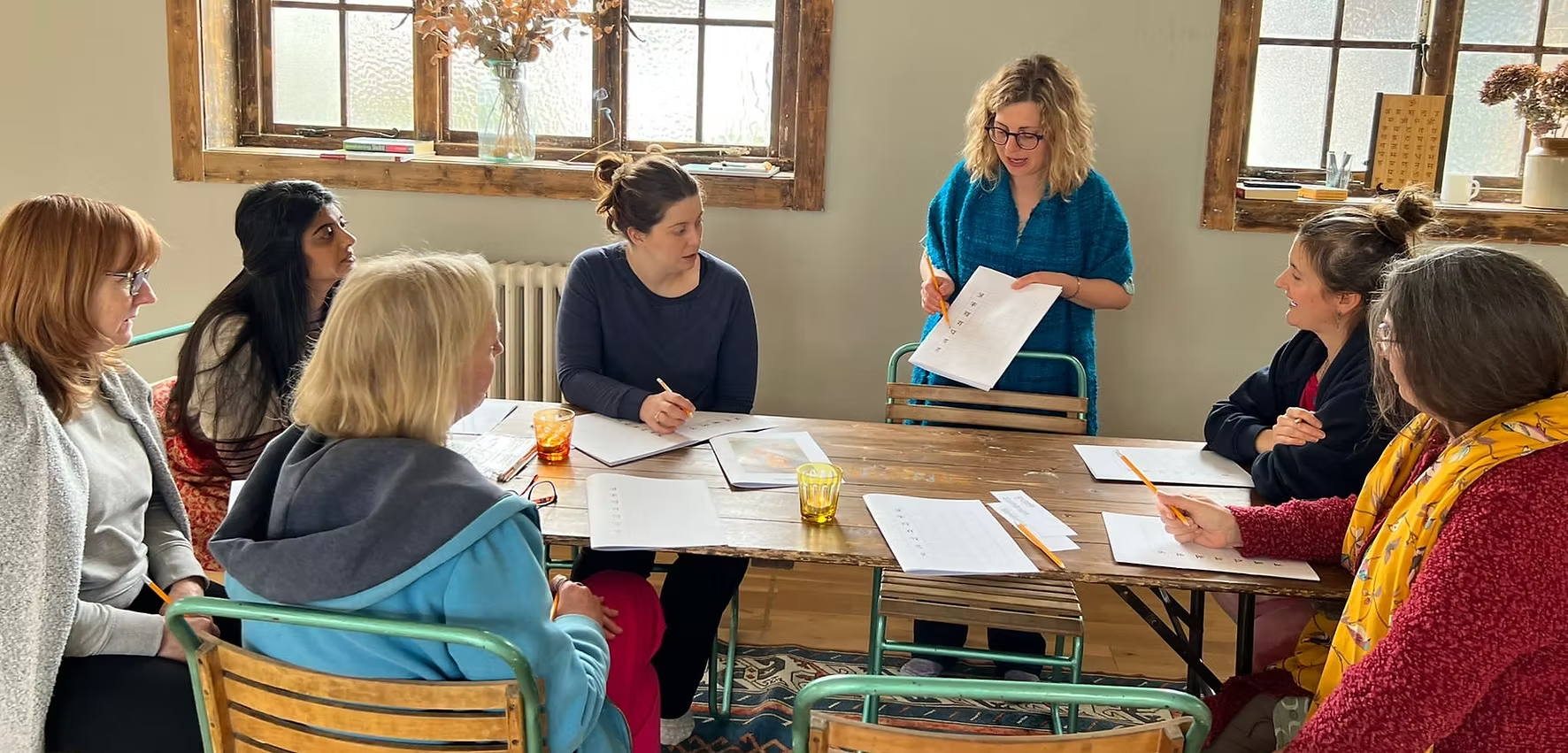
When you think about going on a retreat, you may envisage yourself shifting gears from overload and breaking from responsibility. Sanskrit as an embodied practice may be the very activity that you need to restore yourself and return home to your natural self.