Mystic Art Retreats logoMystic Art Retreatsमिस्टिक आर्ट रिट्रीट्स
शुभ यात्राInvocation

Art as Recognition (Pratyabhijñā)

Immersive retreats in places of extraordinary beauty and power — where sacred craft, indigenous tradition, and spiritual practice are taught by those who carry the lineages.

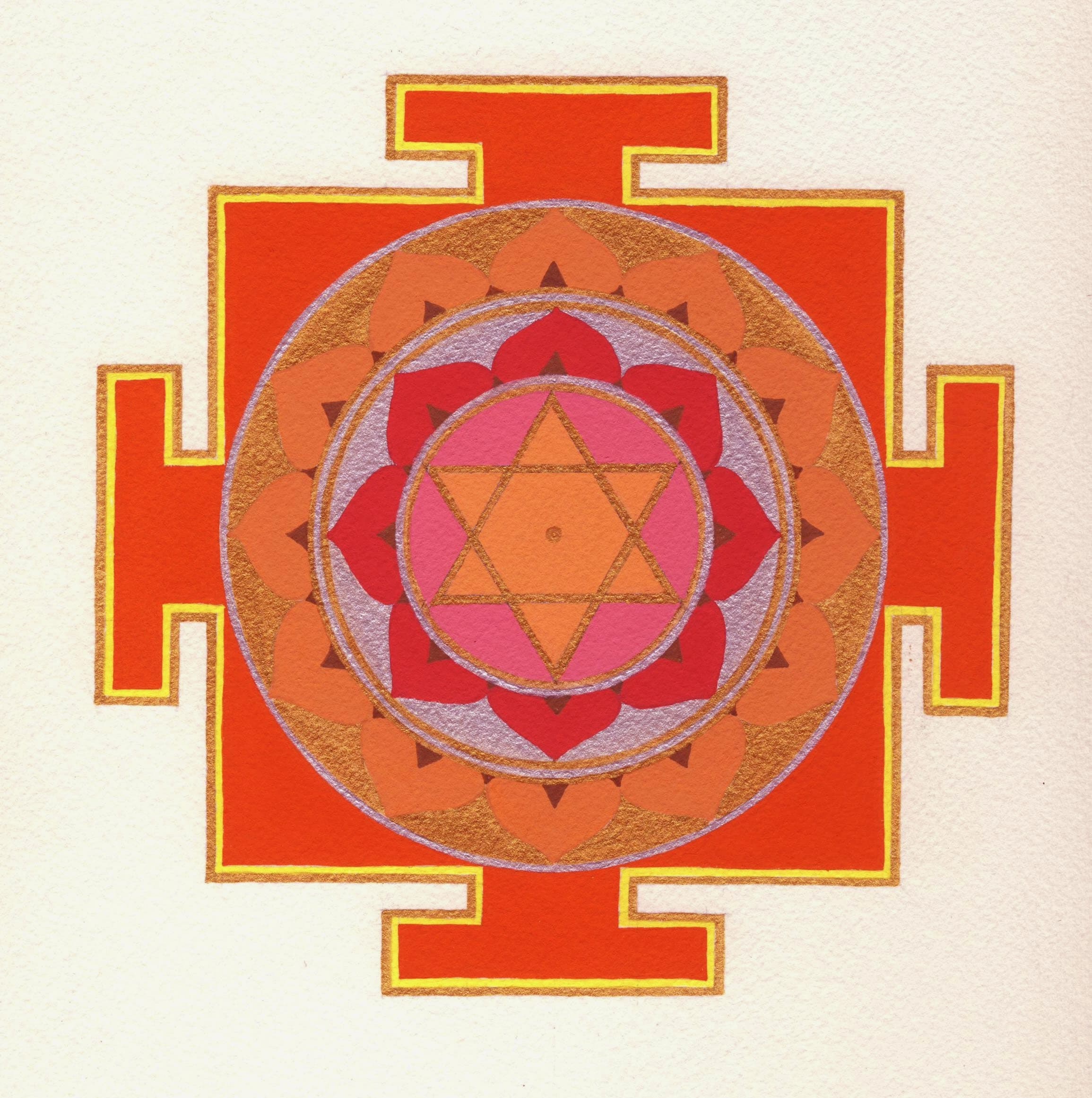
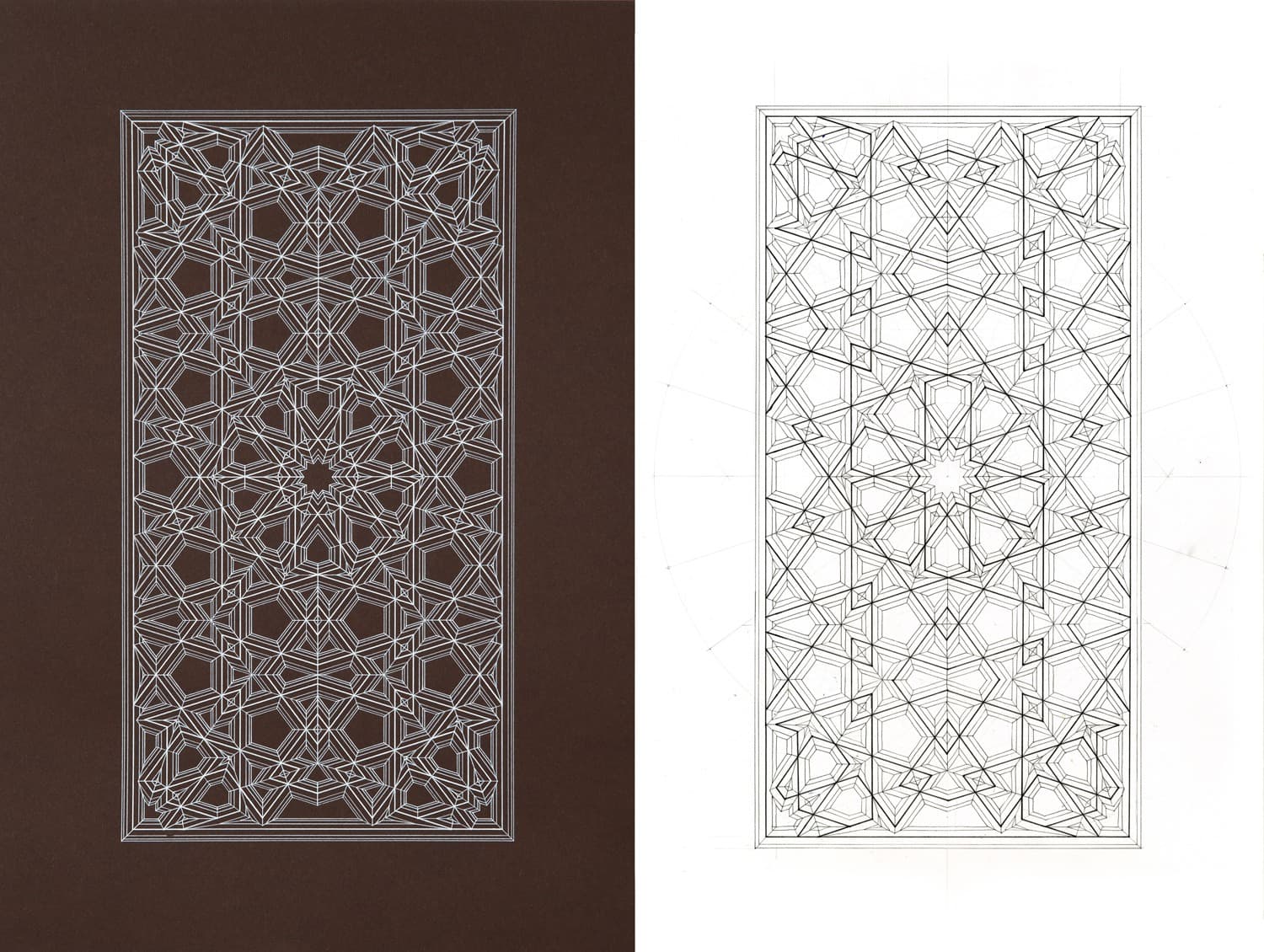
Baglamukhi Yantra
Truth · Goodness · Beauty
सत्यं · शिवं · सुन्दरम्
त्रयंThe Three Pillars

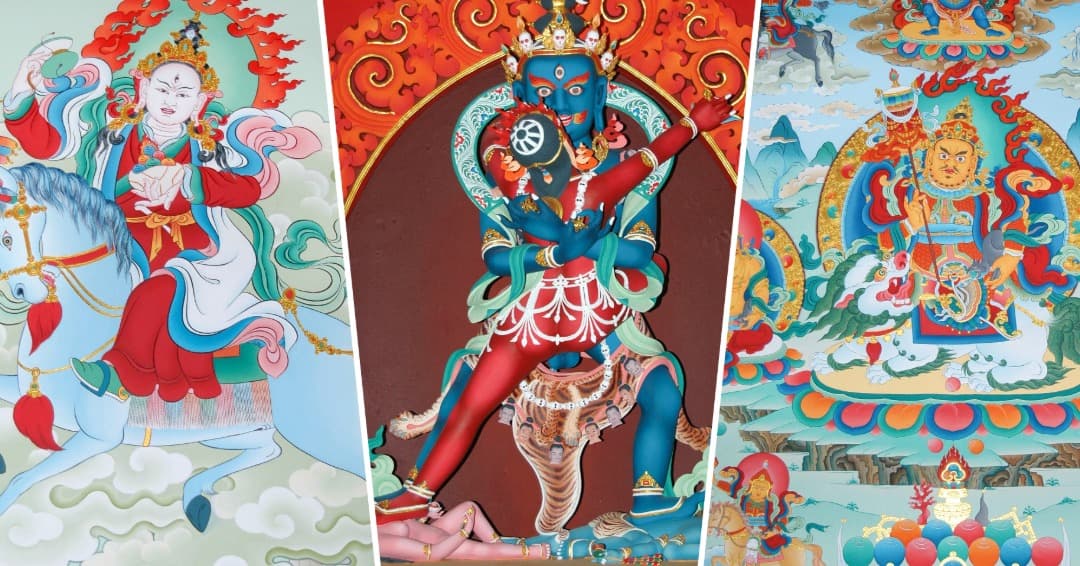
The Nature of Sacred Art

Art that does not merely represent the divine, but participates in it — serving as ground, path, and fruit of the sacred.

I
सत्यम्
Satyam
Truth · The Real
The absolute eternal truth behind all appearances — that which is, was, and always will be.

Sacred art does not invent — it reveals. Its first purpose is to make visible the unchanging reality that underlies all form: Brahman, the divine ground. Where ordinary art depicts the surface of things, sacred art pierces through to the truth that neither changes nor perishes.

II
शिवम्
Shivam
Goodness · Mangala
What is supremely auspicious — that which brings peace, dissolves sorrow, and aligns all things with their highest good.

Sacred art is not neutral — it is morally and spiritually directed. Shivam means that which is auspicious, beneficial, and aligned with dharma. Sacred art carries this quality as an inherent function: it heals, protects, and orients.

III
सुन्दरम्
Sundaram
Beauty · Bliss
Ultimate beauty and bliss — the inner consciousness of Ananda where the soul recognises the divine in all things.

Sundaram is not decoration — it is the experience of the divine itself, made accessible through form. Sacred beauty is not pleasant surfaces but Ananda: the bliss that arises when consciousness recognises its own source.

Truth is the ground · Goodness is the path · Beauty is the fruit.

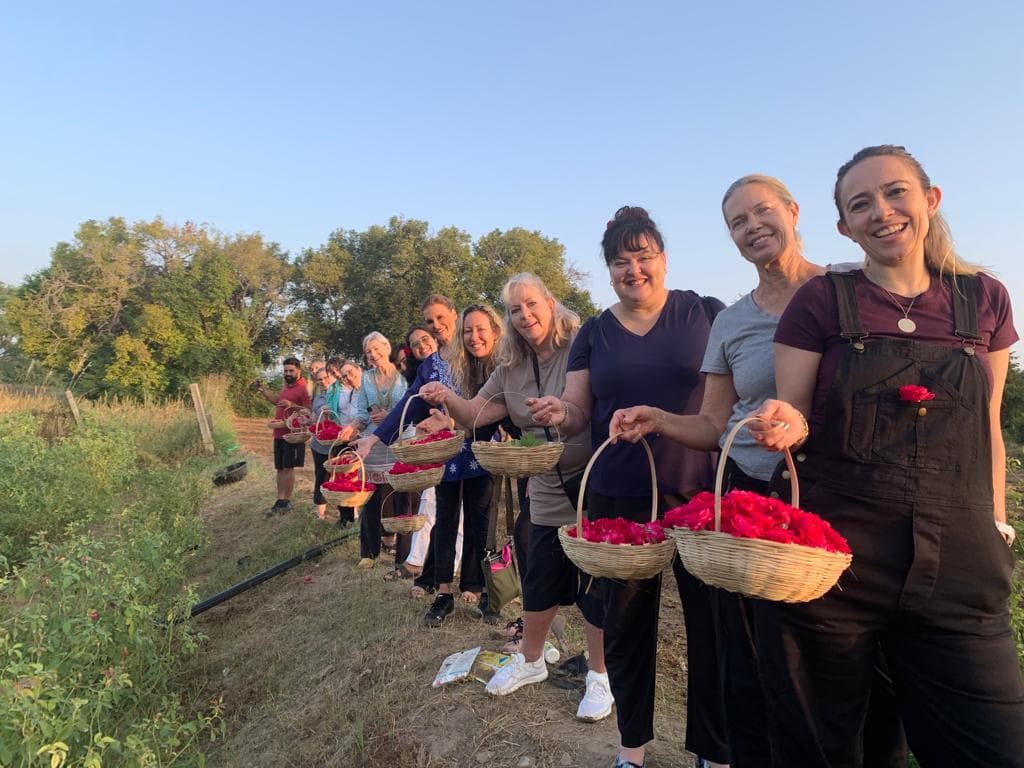
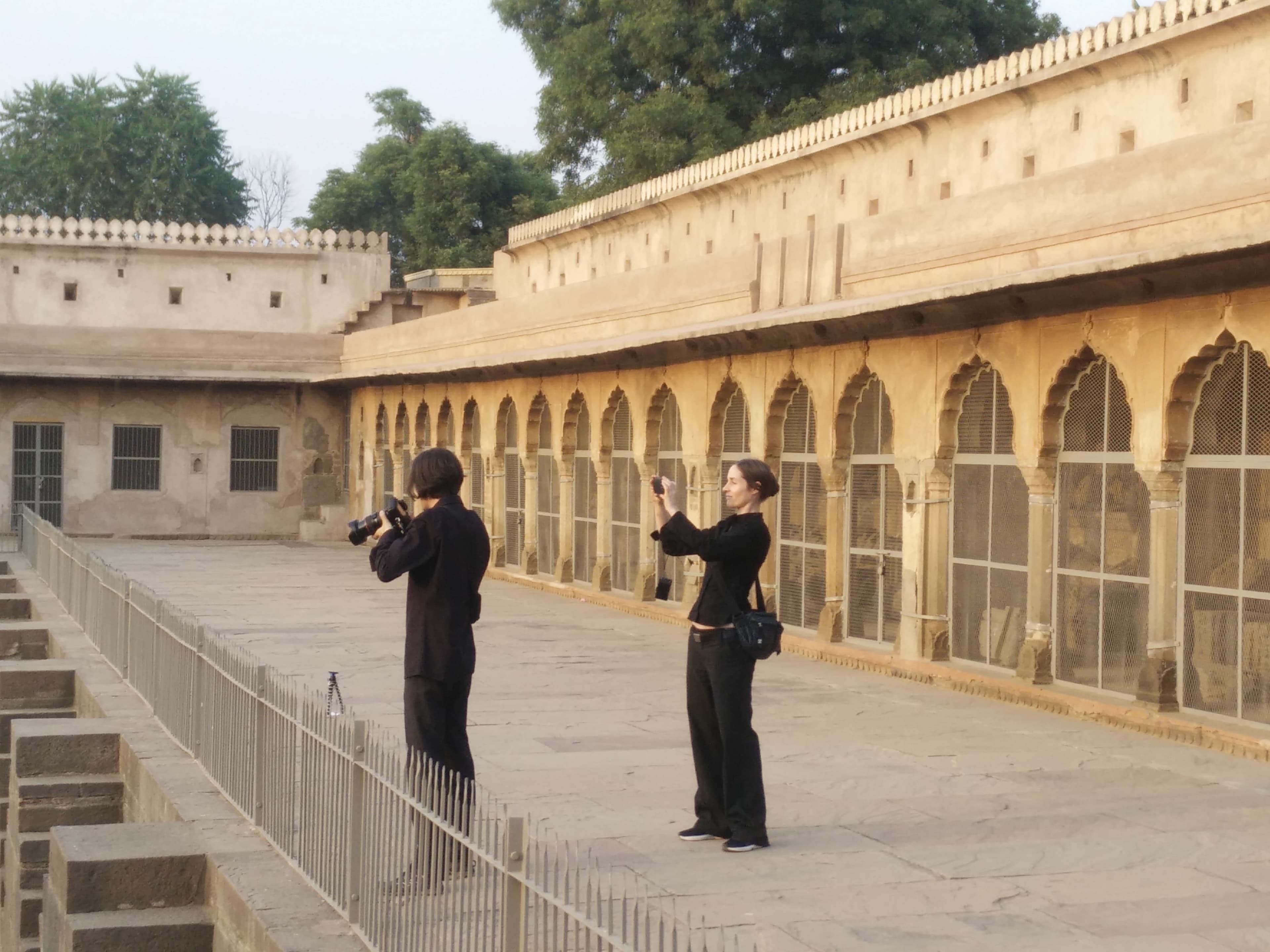
Guests gathered in a heritage palace stair hall
परिचयWho We Are

Mystic Art Retreats™ is a collective of artists, scholars, and cultural custodians who create immersive experiences at places of extraordinary spiritual and cultural significance.

Each retreat is built around the living arts of a specific tradition including thangka painting, yantra, Bharatanatyam, Indian miniature, sacred geometry, pottery, and adornment, taught by practitioners of the highest calibre, many of whom have devoted their lives to a single discipline. Instruction is set within carefully chosen locations: ancient temples, mountain sanctuaries, historic palaces, and landscapes long regarded as spiritually significant. Place, practice, and presence are understood as inseparable.

We serve a discerning clientele, men and women who bring curiosity, seriousness of purpose, and a desire for experiences that leave a genuine mark. Our retreats are designed to be immersive rather than recreational, substantive rather than merely beautiful, though beauty is present throughout.

Mystic Art Retreats is committed to the highest standards of cultural respect and reciprocity. Every programme is composed in close collaboration with the traditions and communities it engages, and no retreat is offered twice in identical form. Each one is singular, shaped by its host, its setting, and its moment in the living calendar of sacred art.

We are a small organisation. We work with great care, and we stand fully behind everything we offer.

Meet our teachers →

गुरुजनOur Teachers

Master artists, scholars,
cultural custodians.

A gathering of those who have given decades of devotion to their craft and to the traditions they carry — and who teach with that same care.

Mukul Purohit
Mukul Purohit
Executive Producer & Director
Tova Olsson
Tova Olsson
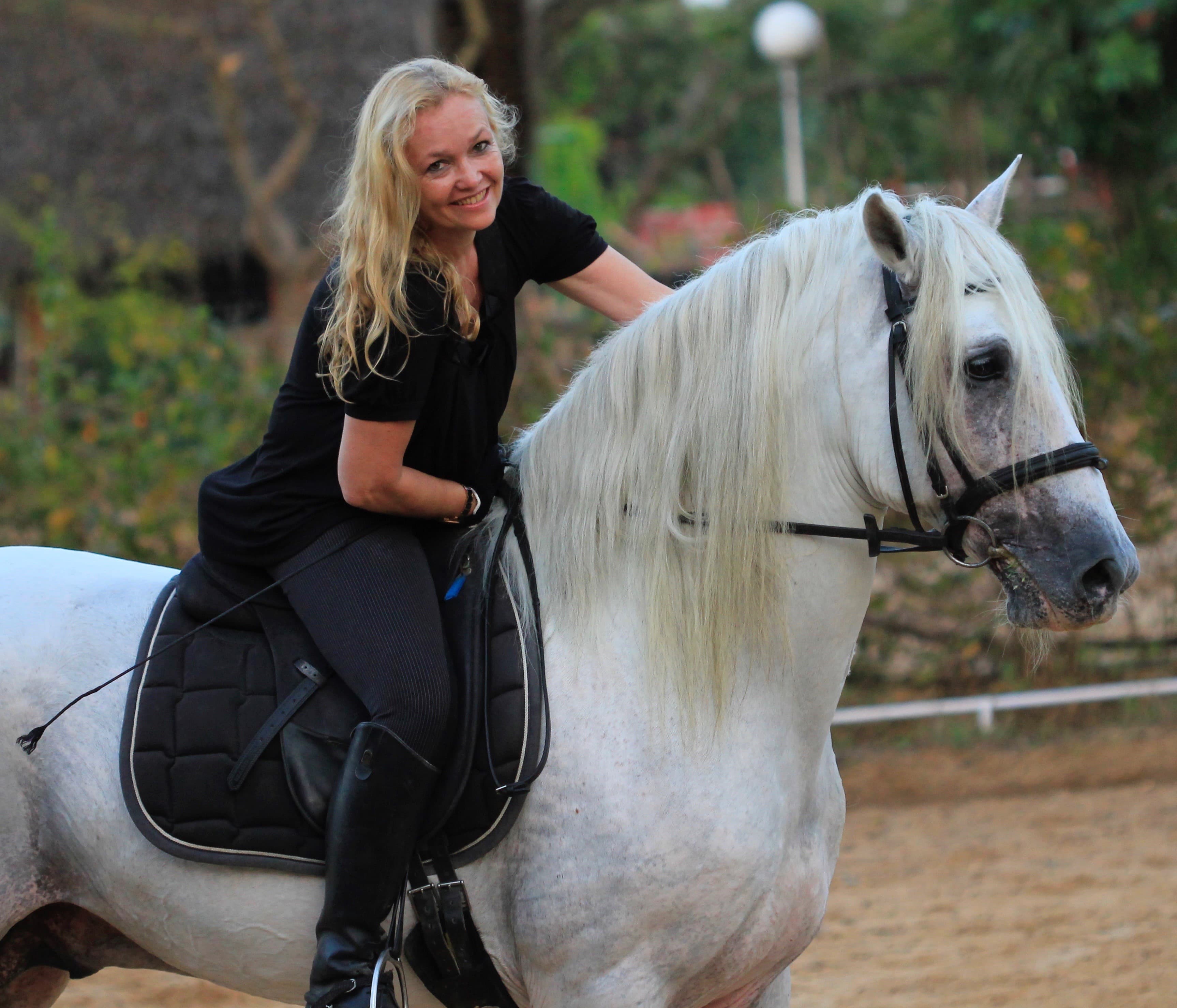
Scholar of Religion, Author & Yoga Teacher
Mavis Gewant
Mavis Gewant
Sacred Artist, Labour & Postpartum Doula, Birth Educator
Sonja Picard
Sonja Picard
Jewelry Designer
Meet the Full Faculty
Mystic Art Retreats enjoys the patronage of people committed to bettering their lives through creative experience that nourishes the mind, body, and spirit.
— Anonymous Patron · MMXXV

ॐ असतो मा सद्गमय
तमसो मा ज्योतिर्गमय

From the unreal lead me to the real;
from darkness lead me to light.

— Bṛhadāraṇyaka Upaniṣad I.iii.28